


Resources
Sharing industry insights with the common goal of reaching zero damages together

Excavation Safety Alliance Town Hall: Are you prepared for the Infrastructure Bill impacts on the damage prevention industry?
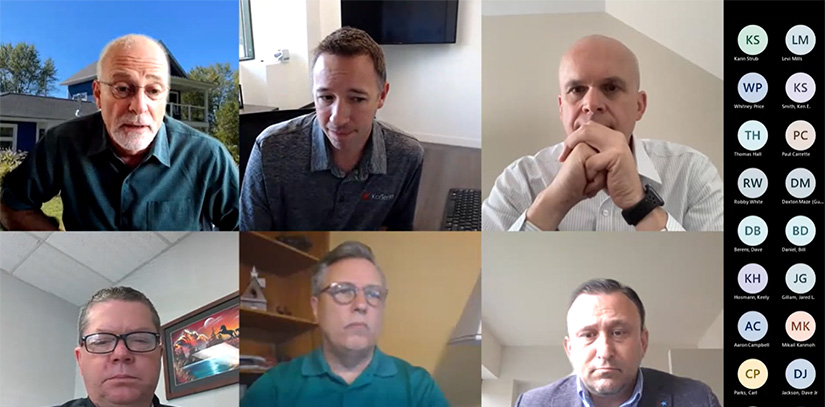
The Infrastructure Bill is driving a spike in locate ticket volume that's outpacing contract locator staffing, leading to more late locates, more compliance risk, and renewed pressure on recruiting, retention, and supply chains across the damage prevention industry. That was the consensus from a recent Excavation Safety Alliance (ESA) Town Hall, hosted by Infrastructure Resources and moderated by KorTerra CRO Jim Plasynski, where more than 110 stakeholders and five industry panelists discussed what the Bill is doing to damage prevention on the ground.
Key Takeaways
- Ticket volume is rising faster than locator staffing can absorb, increasing late locates and compliance exposure for utility owners.
- Where state law allows it, documented agreements between facility owners and excavators to adjust locate timelines are helping relieve pressure. Where it doesn't, non-compliance risk and fines increase.
- Recruiting and retention are compounding the volume problem: a five-year locator's departure typically takes more than one new hire to replace in output and knowledge.
- Material and equipment shortages, from underground ducts to paint and flags, remain unpredictable and are pushing operators to stock up opportunistically.
- Panelists pointed to advance forecasting, stakeholder communication, and grant funding from the Infrastructure Bill itself as the clearest paths forward.
Who Was in the Discussion
The panel included George Kemp (MetroNet), Mark Frost (Julie, Inc.), Stephen Schafer (FirstEnergy), Shane Bryan (Ritter Communications), and Harley Hartman (ELM Utility Services). ESA Town Halls are open forums for the industry to surface concerns and work through solutions together, and this session focused specifically on the Infrastructure Bill's downstream effects on excavation safety and damage prevention.
Why Is Ticket Volume Outpacing Locator Capacity?
Panelists reported that ticket volume increases tied to the Infrastructure Bill are already straining systems that were near capacity before the Bill took effect. The result is more late locates, more difficulty for utility operators managing high-demand periods, and growing concern that the gap will widen before it narrows. Late locates create direct compliance risk for utility owners and a safety risk for every stakeholder on a job site.
Contract locating organizations are feeling this first. Bringing a new locator from hire to fully qualified takes real time: training, then a shadowing period under an experienced locator. Ticket volume doesn't arrive predictably either. A team fully staffed for one day's workload can see volume multiply overnight with no added staff to absorb it.
How Are Locate Timeline Agreements Helping (Where the Law Allows)?
Not every state's damage prevention law allows facility owners and excavators to mutually agree to perform a locate after the originally scheduled dig date. Where it is allowed, well-documented agreements on a revised timeline and starting location give both parties a workable path when volume spikes. Where it isn't allowed, the lack of flexibility puts facility owners directly into non-compliance, with penalties and fines attached.
Panelists were direct about the fix: industry relationships and proactive communication matter more as volume increases, not less. Partnering with stakeholders to forecast the year ahead, surface concerns early, and agree on solutions before a crunch hits was a recurring theme. Examples panelists pointed to:
- Advance notice of major volume increases
- Separate processes for large or complex dig projects
- Broader stakeholder communication and transparency
- Flagging high-demand locate areas and notifying excavators proactively
- Educational materials for out-of-state excavators on local law differences
What's Driving Locator Turnover, and What Can Fix It?
Turnover in the locator profession has climbed in recent years, and the impact compounds because proficiency builds with time in the field. Panelists were specific about the math: when a locator with five years of experience leaves, it typically takes more than one new hire to replace their output and institutional knowledge.
Suggested fixes from the panel:
- Directing a portion of state Infrastructure Bill grant funding toward locator hiring and compensation
- Recognition programs like Locator of the Year or Elite Locator of the Month
- Clear career paths into management-level, higher-paying roles
Why Are Supply Chain Issues Still a Problem?
Materials remain a struggle industry-wide, with availability fluctuating unpredictably. Underground ducts, paint, flags, and vehicle maintenance parts have all seen shortages at different points over the past year. Panelists agreed there's no reliable way to predict the next shortage, and the practical response has been to stock up opportunistically when materials are available rather than waiting for just-in-time supply.
FAQ
How is the Infrastructure Bill affecting locate ticket volume? It's increasing ticket volume in many areas faster than contract locating organizations can staff for it, which is leading to more late locates and added compliance risk for utility owners.
Can excavators and facility owners agree to delay a locate date? It depends on the state. Some state damage prevention laws allow facility owners and excavators to mutually agree to a revised locate timeline; others don't, which leaves no compliance flexibility if a locate runs late.
Why is locator turnover such a significant issue right now? Because proficiency takes years to build, replacing an experienced locator typically requires more than one new hire to match their output and knowledge, which compounds an already stretched labor pool during a period of rising ticket volume.
What is an ESA Town Hall? It's an open forum hosted through the Excavation Safety Alliance where industry stakeholders, utility operators, locators, and contractors discuss current damage prevention challenges and work through potential solutions together.
The Bottom Line
The Infrastructure Bill is a net positive for infrastructure investment, but it's also a stress test for an industry that was already managing tight locator capacity and unpredictable ticket demand. The panel's consensus was that no single organization solves this alone. Forecasting together, communicating early, and treating locator retention as a funded priority, not an afterthought, are what will determine whether the industry keeps pace.
About KorTerra, Inc.
KorTerra is the leading provider of damage prevention software, protecting billions of dollars in underground infrastructure. For over 30 years, the leading stakeholders in gas distribution, pipeline operation, telecommunications, electric distribution, contract locating, and city, county, and state governments have trusted KorTerra as their damage prevention solution. KorTerra helps mitigate risk and ensure the safety of field personnel by providing secure software platforms for processing 811 locate tickets, tracking and reporting asset damages, meeting regulatory compliance, and more. Explore additional solutions at korterra.com and follow KorTerra on LinkedIn.
Media Contact:
Paige Nygaard – KorTerra, Inc.
952.368.1911
marketing@korterra.com